Special sessions


The STCS Vigyan Vidushi 2026 programme includes several distinguished lectures and workshops by the following eminent scientists.

Distinguished lectures

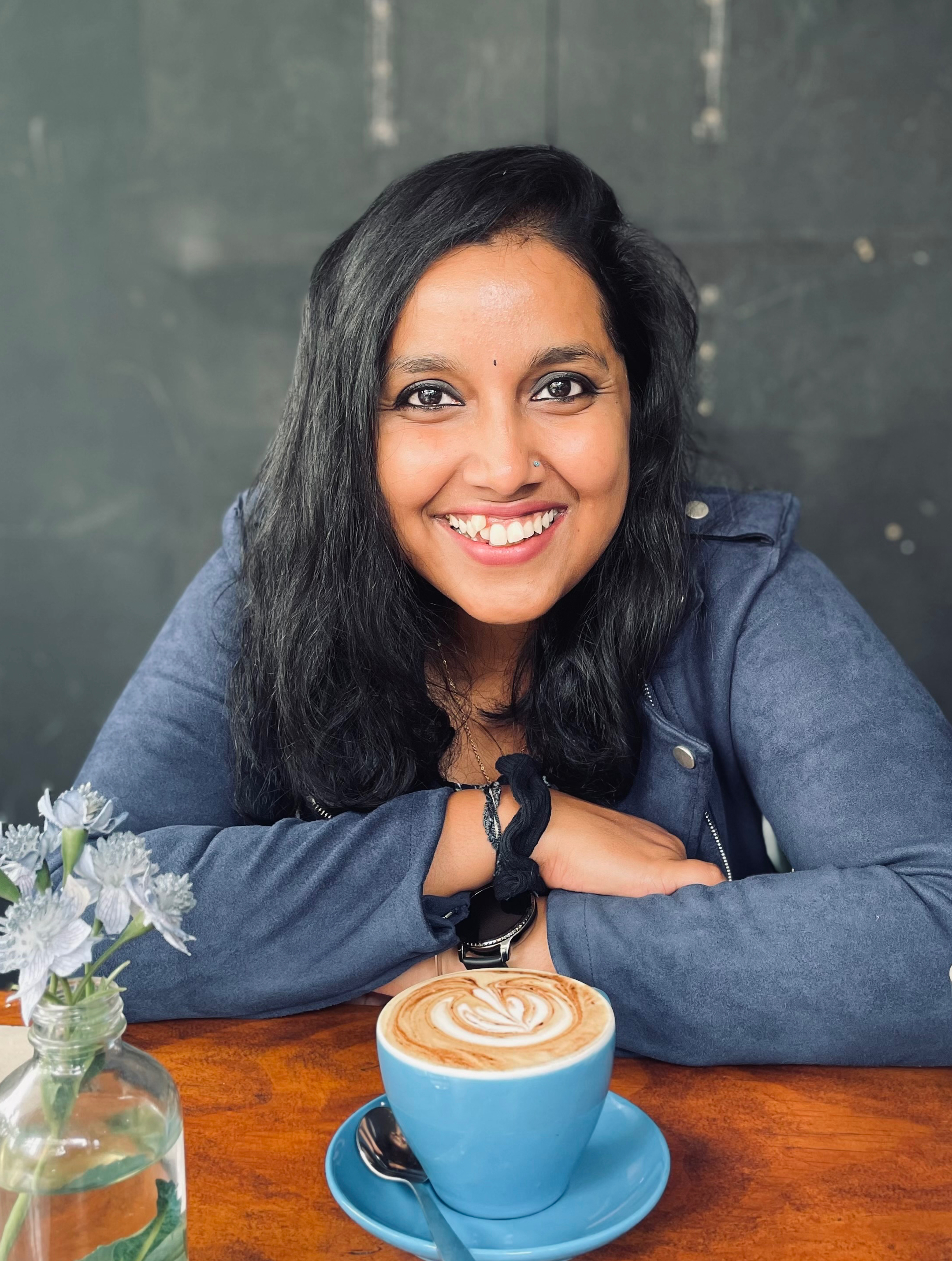
Sruthi Sekar

Sruthi Sekar

Assistant Professor, Computer Science and Engineering (CSE) Department, IIT Bombay

Homepage

Talk title: Some Magical Cryptographic Primitives

Date and time: 13th July, 4:00 - 5:00 pm

Abstract:

In this talk, I will give a broad introduction to research in cryptography. I will highlight several intriguing problems, ranging from foundational theoretical questions to challenges with significant practical and industry relevance, and illustrate how many of the techniques used to address them arise from elegant mathematical ideas. I will briefly discuss classical problems such as key exchange and public-key encryption, and then touch upon tools such as private set intersection and zero-knowledge proofs, which form important building blocks for private and verifiable computation used across many real-world applications and industries.
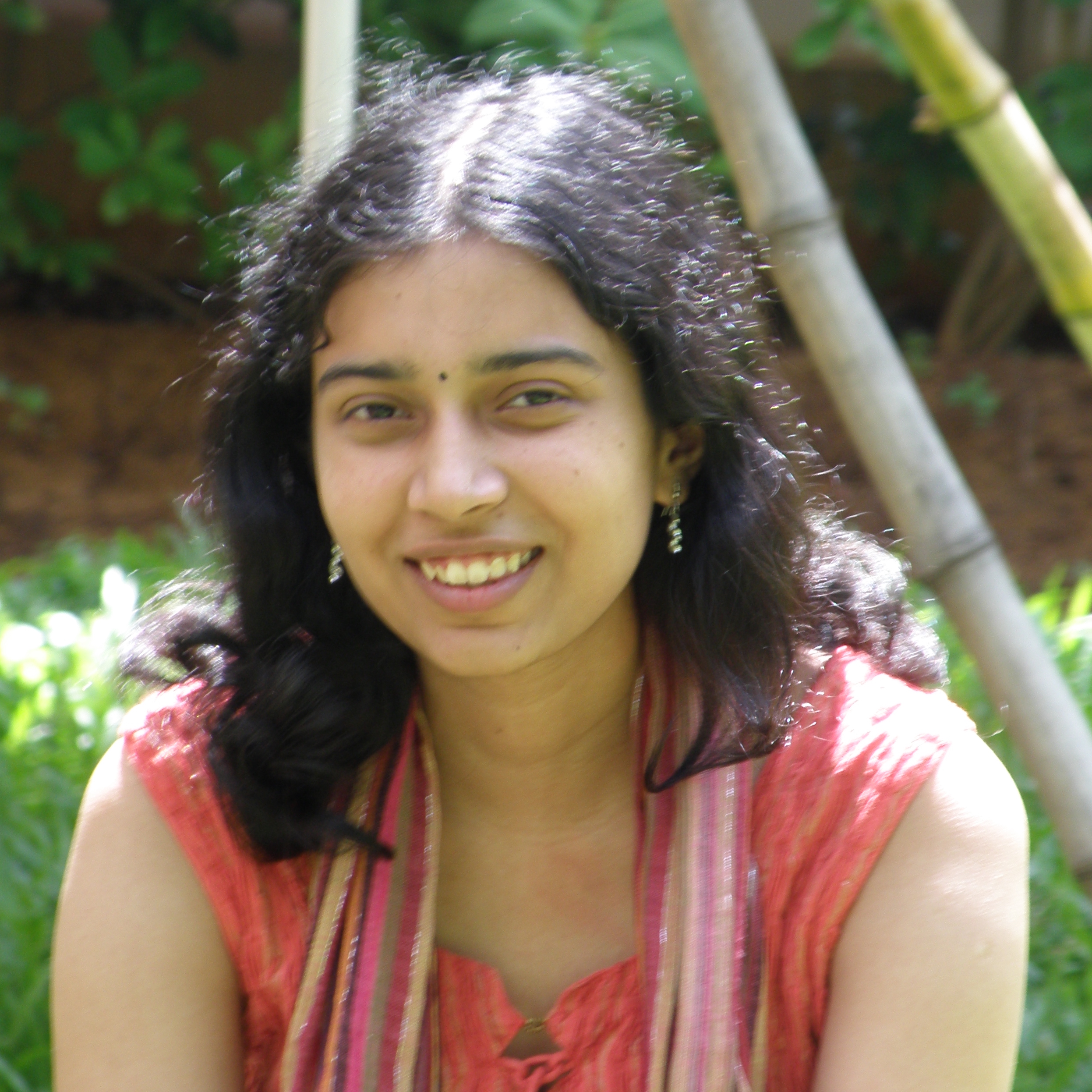
Bio: Sruthi Sekar is an assistant professor in the department of computer science and engineering at IIT Bombay, where she is part of the Theory group and Trust Lab. Sruthi did her PhD at IISc Bangalore, and spent her postdoctoral years at the University of California in Berkeley, before moving to IIT Bombay. Her research interests are broadly in Theoretical Computer Science, with a focus on Cryptography.
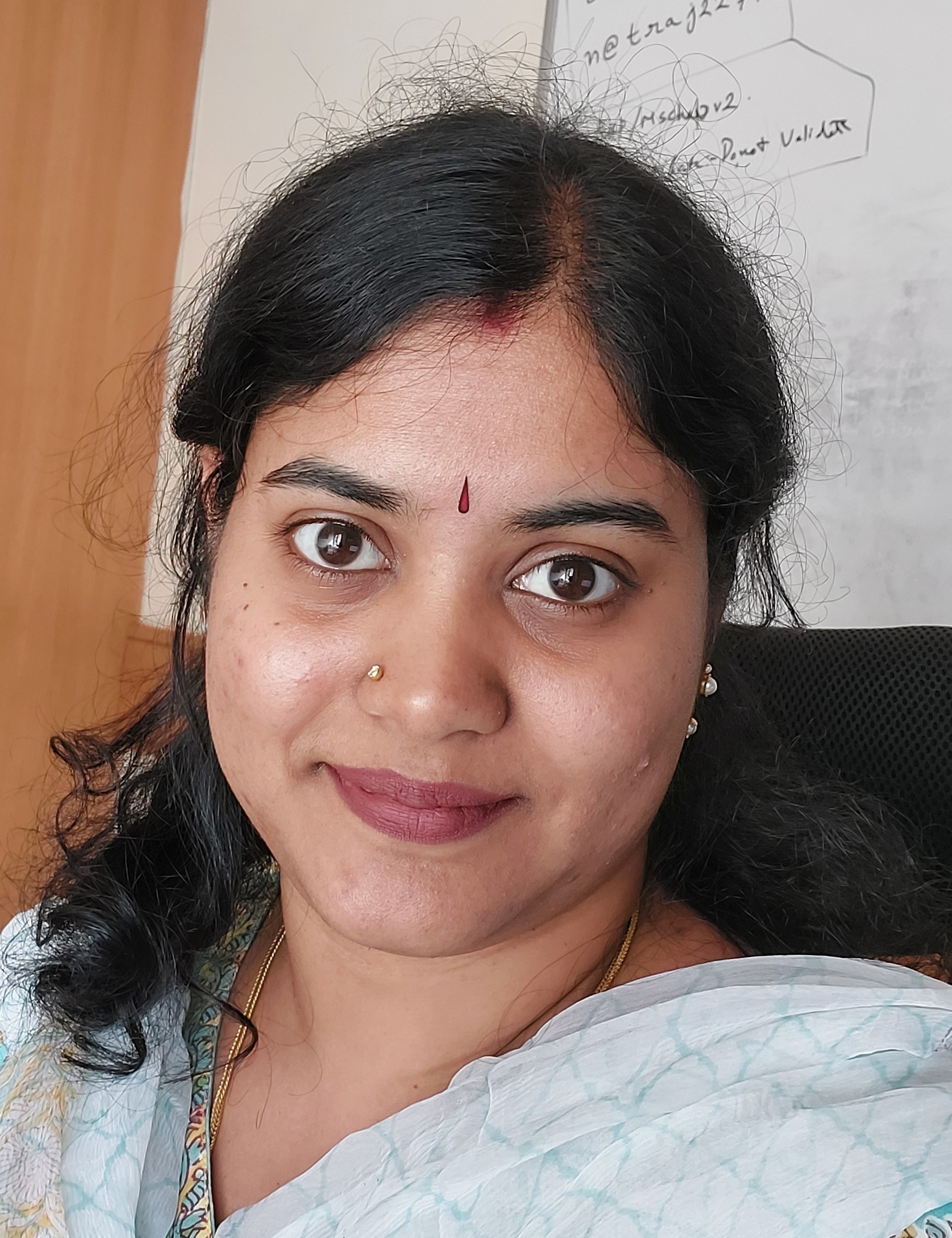
Vaishnavi Sundararajan

Vaishnavi Sundararajan

Assistant professor in the department of computer science and engineering at IIT Delhi

Homepage

Talk title: Logical explorations for security theory

Date and time: 6th July, 4:00 - 5:00 pm
Abstract:

Logics play a large role in the formal study and analysis of systems, especially for formal verification. The exact shape of the syntax and inference rules involved depend heavily on the systems being modelled and verified. In this talk, we will introduce a logical syntax for communicated messages and an associated proof system originally used in the verification of cryptographic protocols, dating back to a very robust model from 1983, which captures even the operational aspects of today’s internet. We will show how to extend this system to be able to better handle protocols that involve the communication of certificates, and investigate some of the various logical and algorithmic questions that manifest during this endeavour.

Bio: Vaishnavi Sundararajan is an assistant professor in the department of computer science and engineering at IIT Delhi, where she is also associated with Center of Excellence in Cyber Systems and Information Assurance. She did her PhD at the Chennai Mathematical Institute and was at CNRS, Ericsson Research and University of California in Santa Cruz before joining IIT Delhi. Her research interests are broadly in formal methods and logic with a focus on applications to security.
Sruti S Ragavan

Sruti S Ragavan

Assistant professor in the Department of Computer Science, and an Adjunct in the Department of Cognitive Sciences at IIT Kanpur

Homepage

Talk title: To be announced.

Date and time: 10th July, 4:00 - 5:00 pm

Abstract:

To be announced.

Bio: Sruti S Ragavan is an assistant professor in the Department of Computer Science, and an Adjunct in the Department of Cognitive Sciences at IIT Kanpur, India. Before that, she was a HCI researcher in the Calc Intelligence group at Microsoft Research in their Cambridge (UK) lab. She did her PhD in Computer Science at the Oregon State University. Her research interests are in Human-Computer Interaction, with a specific interest in building systems for users that are not savvy with the technology they must use.


Session on science communication


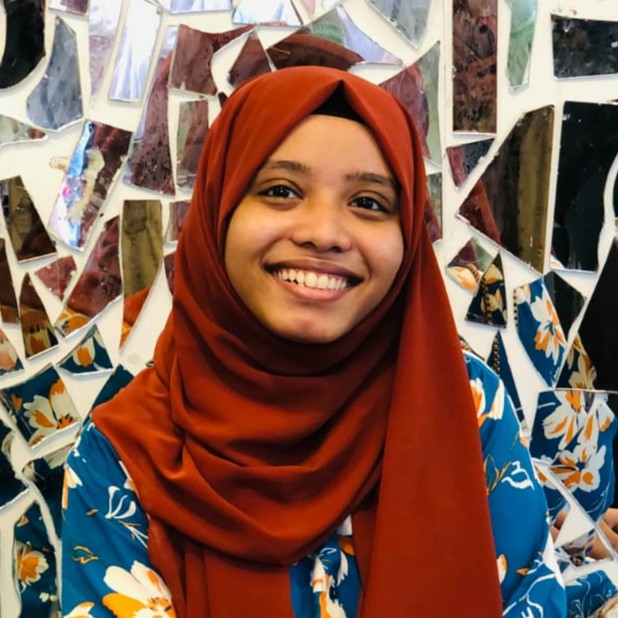
Uzma Shaikh

Uzma Shaikh

Science communicator at the Tata Institute of Fundamental Research (TIFR), Mumbai

Homepage

Talk title: From Proof to Perception: How Ideas Travel

Date and time: 15th July, 4-5 pm

Abstract:

Designing clarity, visibility and impact in scientific work

In fields like computer science and mathematics, ideas are often expressed through formal systems and technical language. These ideas also find their way to lectures and conversations as well as informal explanations, where structure and framing can influence how they are received and remembered.

In this session, we will explore how small shifts in organisation, sequencing, and explanation can help make scientific ideas more accessible while retaining their rigour. Drawing on examples from science communication at TIFR, we will reflect on how researchers already navigate different ways of explaining their work and how these instincts can be developed further.

The session will also briefly introduce science communication as a possible career pathway, highlighting how skills researchers already use can extend their work’s reach and impact across different contexts.

Bio: Uzma Shaikh is a science communicator at TIFR, Mumbai, where she works at the intersection of research, storytelling, and public engagement. She holds an MSc in Microbiology from St. Xavier’s College, Mumbai, and has been a science facilitator and graphic designer at the Homi Bhabha Centre for Science Education before joining TIFR. At TIFR, she manages digital science communication initiatives and develops content to make scientific ideas accessible and engaging for diverse audiences across platforms.