 STCS Vigyan Vidushi 2026
TIFR, Mumbai
© 2026. All rights reserved.
Last update: 2026-07-05 21:21:59 +0530.
STCS Vigyan Vidushi 2026
TIFR, Mumbai
© 2026. All rights reserved.
Last update: 2026-07-05 21:21:59 +0530.
The STCS Vigyan Vidushi 2026 programme includes several distinguished lectures and workshops by the following eminent scientists.

Assistant Professor, Computer Science and Engineering (CSE) Department, IIT Bombay
Talk title: Some Magical Cryptographic Primitives
Date and time: 13th July, 4:00 - 5:00 pm
In this talk, I will give a broad introduction to research in cryptography. I will highlight several intriguing problems, ranging from foundational theoretical questions to challenges with significant practical and industry relevance, and illustrate how many of the techniques used to address them arise from elegant mathematical ideas. I will briefly discuss classical problems such as key exchange and public-key encryption, and then touch upon tools such as private set intersection and zero-knowledge proofs, which form important building blocks for private and verifiable computation used across many real-world applications and industries.
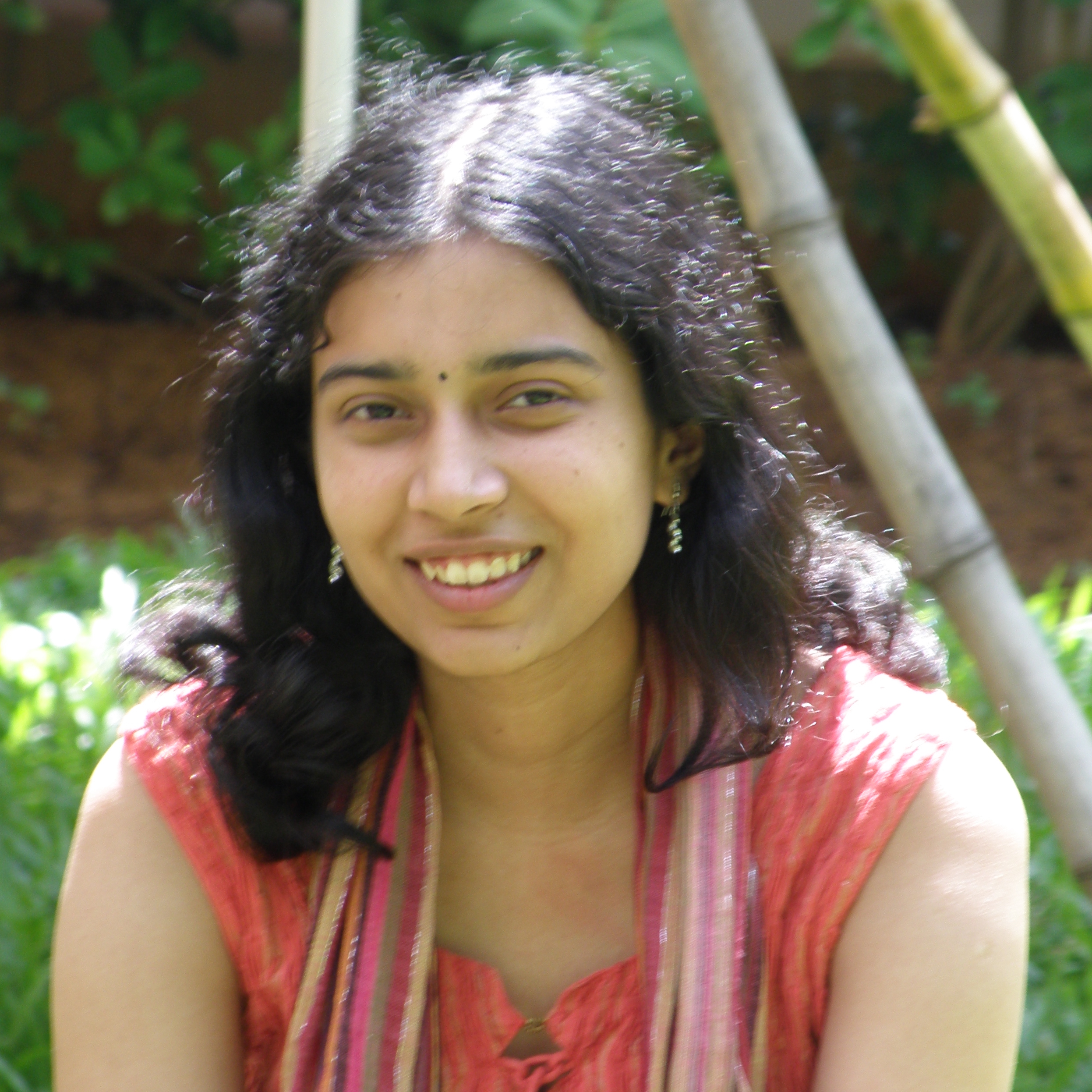
Assistant professor in the department of computer science and engineering at IIT Delhi
Talk title: Logical explorations for security theory
Date and time: 6th July, 4:00 - 5:00 pm
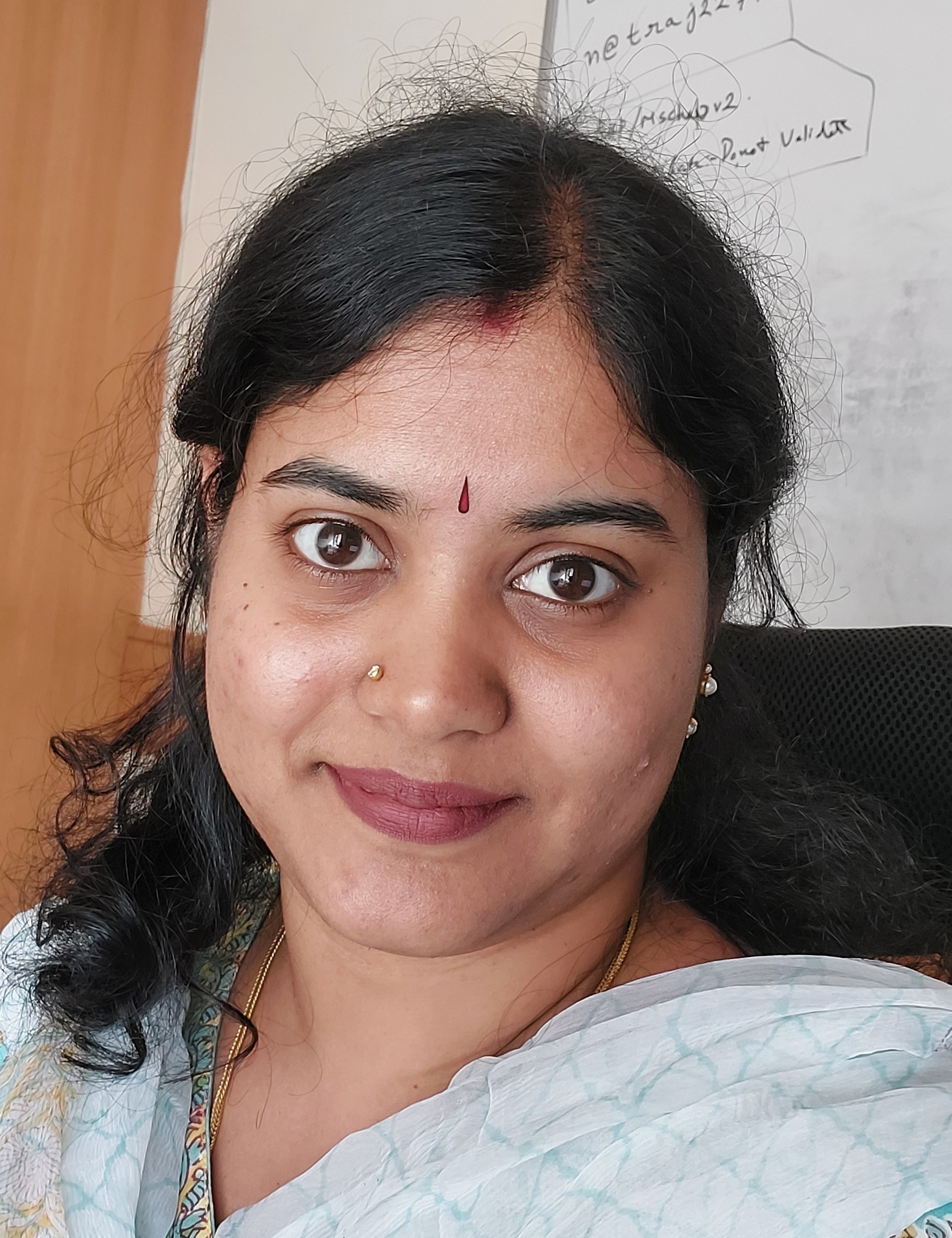
Assistant professor in the Department of Computer Science, and an Adjunct in the Department of Cognitive Sciences at IIT Kanpur
Talk title: HCI: Going from Technology-Centeredness to Human-Centeredness in CS
Date and time: 10th July, 4:00 - 5:00 pm
Traditional computer science is often technology-centered, focusing on capability, efficiency, accuracy, and automation. While powerful, this approach alone can lead to systems that look great on paper but are frustrating, confusing, or simply ignored in practice. Human-centered approaches flip this: they design systems around human needs, behaviors, and contexts. This is the focus of Human-Computer Interaction or HCI, the subfield of computing that asks not just ‘Can we build this?’ but ‘Will people want to learn and use it’?, ‘Will people actually use it’? or ‘Will this cause damage to people and societies?’ You can think of HCI as the ‘salt in a meal’–rarely the main ingredient, but absolutely essential. When it’s missing, everything feels off. When it’s right, technology becomes intuitive, effective, and sometimes even invisible.
This talk offers a quick tour of HCI as an interdisciplinary field where computer science meets psychology, sociology, and design, and shows how an outside-in, human-first perspective can change what we build, and why it matters. It will also cover the nature of contemporary research and praxis in HCI.

Science communicator at the Tata Institute of Fundamental Research (TIFR), Mumbai
Talk title: From Proof to Perception: How Ideas Travel
Date and time: 15th July, 4-5 pm
Designing clarity, visibility and impact in scientific work
In fields like computer science and mathematics, ideas are often expressed through formal systems and technical language. These ideas also find their way to lectures and conversations as well as informal explanations, where structure and framing can influence how they are received and remembered.
In this session, we will explore how small shifts in organisation, sequencing, and explanation can help make scientific ideas more accessible while retaining their rigour. Drawing on examples from science communication at TIFR, we will reflect on how researchers already navigate different ways of explaining their work and how these instincts can be developed further.
The session will also briefly introduce science communication as a possible career pathway, highlighting how skills researchers already use can extend their work’s reach and impact across different contexts.